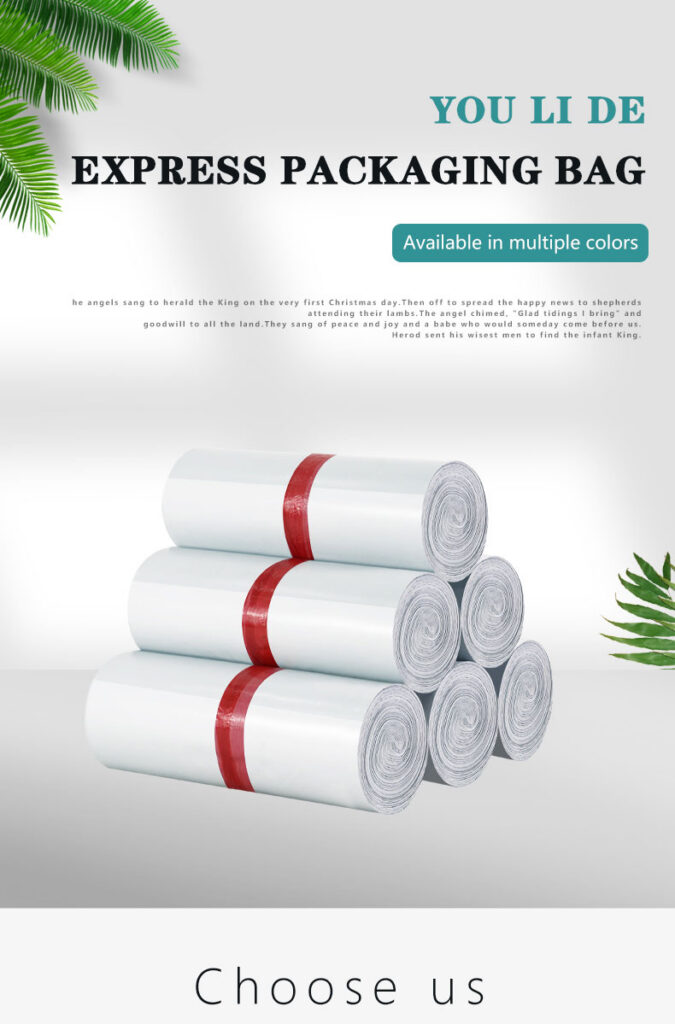
A poly mailer seal RFQ should identify the offered bag size, reference contents, closure procedure and the timing of any observations. Agree those details with the supplier before comparing samples. Youlide Pack describes strong adhesive sealing for its White Heavy-Duty Poly Mailer Bags. That wording is a starting point for a closure enquiry, rather than a supplied test method or measured result.Turn the sealing description into a sample questionA buyer comparing wholesale white poly mailers needs to know how the offered bag closes around the intended contents. The White Heavy-Duty Poly Mailer Bags listing from Youlide Pack describes strong adhesive sealing. Ask the supplier to identify the closure area and explain the procedure intended for the quoted bag version.Start with one named bag size and a defined sample. That gives both parties a product reference for the enquiry. The practical deliverable is an agreed closure trial: what will be enclosed, how the closure will be made and what observations will be retained. Keep that request separate from a general description of the film or material.Use an identified bag and reference contentsGive the supplier the external dimensions of the intended pack and ask which offered bag size it proposes. State how the contents are arranged when the closure is made. A sample containing a different pack or a different arrangement may answer another purchasing question, even if the bag looks similar in a catalogue image.Ask the supplier to mark where the closure is intended to meet and what area should remain available for that operation. If the offered product has a protective cover over its adhesive, request the relevant removal instructions. Let the supplier describe the actual construction instead of assuming that every bag in the category uses the same closure design.Trial field | Detail to agree | Observation retainedBag reference | Offered size, version and sample identity | Which bag was closedContents | Named reference pack and arrangement | What occupied the sampleClosure procedure | Supplier’s intended preparation and placement | How the closure was madeObservation timing | Agreed point after closing or handling | When the sample was checkedResult description | Edges and other areas to inspect | Location of gaps, lifting or separate film damageKeep the closing procedure consistentRequest the supplier’s instructions for preparing and bringing the intended closure surfaces together. If a comparison includes several offered samples, use the same agreed procedure where applicable and record any version-specific difference. Identify the sample separately when it requires another operation.Agree the observation timing before the trial. An immediate visual check and a check following a specified period or handling sequence are different observations. State the conditions relevant to the buyer’s intended review and ask what the supplier can support. This article sets no universal waiting time, force or acceptance percentage.Describe the closure edge and other damage separatelyUseful observations identify where an edge has lifted, a gap remains or another part of the sample is affected. Keep a photograph tied to the sample reference and the agreed observation point. If a tear occurs elsewhere in the film, describe its location separately from the adhesive closure edge so the supplier can respond to the actual issue.Keep the evidence boundary clear once: the catalogue wording and images supply product references, not a witnessed sample result, an adhesive formula or a protection guarantee. A sample review concerns the bag and conditions actually assessed. Buyer and supplier should agree what further clarification or evidence is needed for the intended purchase.Ask for a closure-specific responseAn RFQ can read: “For the offered white poly mailer size, please identify the closure construction and intended closing procedure. We would like to agree a trial using the attached reference pack, with a stated observation time and handling sequence. Please identify the sample version and the closure areas to inspect, and keep any alternative bag configuration separate.”• Keep the sample, contents and procedure linked throughout the comparison.• Record closure-edge observations separately from film damage elsewhere.• Agree the decision criteria before treating a trial as purchasing approval.The separate double-layer thickness enquiry addresses a different specification. Send closure questions through the supplier contact page so the quotation response covers the sample and operation relevant to your order.When comparing two offers, send the same reference-pack description to each supplier and ask both to explain any change needed to their proposed bag or closure arrangement. Keep the original request alongside each reply. If one offer needs a larger bag, a different placement of the contents or another closing step, compare that complete proposal rather than treating the samples as interchangeable. Ask the supplier to identify which sample its observations concern and which configuration its price covers. This makes the closure review useful to purchasing as well as to the person handling the sample.Frequently asked questionsWhat should identify a closure sample?Its offered bag size and version, reference contents, closing procedure and observation timing.Is every tear a seal failure?Describe the affected location. Damage elsewhere in the film and an adhesive-edge issue require separate observations.Does the catalogue provide a measured seal result?No test method or numeric result is supplied in the cached product text. Request evidence relevant to the proposed order.Product and contact referenceshttps://yolidepack.com/product/white-heavy-duty-poly-mailer-bags/https://yolidepack.com/poly-mailer-thickness-define-the-double-layer-basis/https://yolidepack.com/contact/
Get a Free Quote
Fill in the form and we'll get back to you within 24 hours.
✅
Thank you!
We've received your inquiry and will reply within 24 hours.